

Which Treatment Is More Effective for Dry Eye Relief: LLLT or IPL?
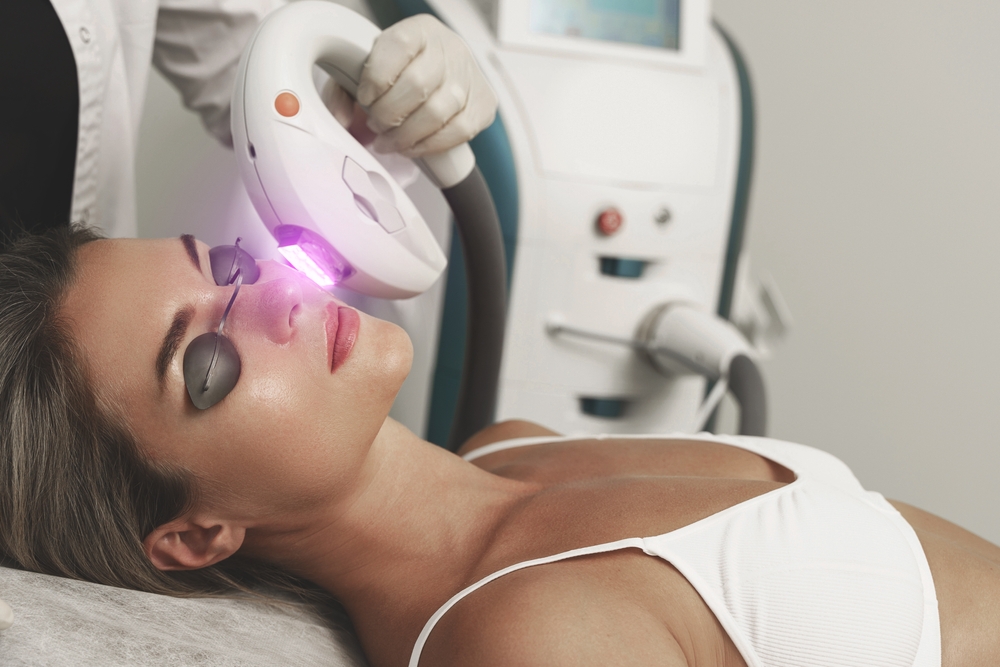
Dry eye disease can significantly impact your daily life, causing burning, redness, fluctuating vision, and discomfort - especially during screen use or reading. At Oasis Eye Center, we often see patients who have tried artificial tears and home remedies without lasting relief. When conservative options fall short, advanced therapies like Low-Level Light Therapy (LLLT) and Intense Pulsed Light (IPL) can provide meaningful improvement.
So which treatment is more effective for dry eye relief: LLLT or IPL? The answer depends on the underlying cause and severity of your condition.
Why Dry Eye Often Requires Advanced Treatment
Most chronic dry eye cases are linked to Meibomian Gland Dysfunction (MGD). These glands produce the oil layer of your tears, which prevents evaporation. When they become blocked or inflamed, tears evaporate too quickly - leading to irritation and unstable vision.
Both LLLT and IPL target MGD, but they do so in different ways.
How LLLT Works for Dry Eye Relief
Low-Level Light Therapy uses controlled light energy to gently warm the eyelids and stimulate cellular activity. It is a comfortable, non-invasive treatment that promotes healing without intense heat.
LLLT works by:
Stimulating cellular repair
Reducing inflammation
Improving meibomian gland performance
Because it is gentle and relaxing, LLLT is often recommended for patients with mild to moderate gland dysfunction or inflammation-based dry eye. It can also enhance results when combined with other therapies.
How IPL Improves Dry Eye Symptoms
Intense Pulsed Light therapy delivers carefully controlled pulses of light to the skin around the eyes. Originally developed for dermatologic conditions, IPL has become a highly effective treatment for moderate to severe MGD.
IPL helps by:
Reducing abnormal blood vessels that contribute to inflammation
Decreasing inflammatory mediators
Warming and unclogging blocked oil glands
Patients with ocular rosacea or chronic lid inflammation often experience significant improvement with IPL treatment series.
Which Treatment Is More Effective?
There is no universal “best” option. The effectiveness of LLLT versus IPL depends on your specific diagnosis.
LLLT may be ideal if you prefer a gentler treatment approach or if your dry eye is primarily driven by inflammation and early-stage gland dysfunction. IPL may deliver stronger results for patients with more advanced gland blockage or rosacea-related inflammation.
In some cases, combining IPL and LLLT provides the most comprehensive outcome. IPL reduces inflammation and clears gland obstruction, while LLLT promotes healing and improves long-term gland function.
Personalized Treatment Matters
Dry eye disease is multifactorial. A thorough evaluation - including tear film analysis and gland assessment - is essential before recommending treatment. At Oasis Eye Center, we customize care based on your symptoms, gland health, and overall eye condition to ensure the most effective approach.
Find Out Which Dry Eye Treatment Is Right for You
Both LLLT and IPL are effective treatments for dry eye relief, but they serve different purposes. LLLT offers gentle stimulation and anti-inflammatory support, while IPL delivers more intensive inflammation control and gland clearing for moderate to severe cases. The most effective treatment is the one tailored to your specific needs.
If you are ready to find the right solution for your dry eye symptoms, schedule a comprehensive eye exam at Oasis Eye Center. Visit our office in Fort Lauderdale, Florida, or call (954) 372-6833 to schedule an appointment today.
Helpful Articles
article_category: products
article_category: psychiatry
article_category: faqs
article_category: cats
article_category: general
article_category: services
article_category: technology
article_category: dogs
article_category: restorative
article_category: vision therapy
article_category: contact lenses
article_category: health
article_category: conditions
article_category: eye surgery co-management
article_category: exotic
article_category: cosmetic
article_category: surgical procedures
article_category: aesthetics
article_category: preventative
article_category: ocular disease management
article_category: eyeglasses
article_category: eye health
article_category: large animal
[]
article_category: psychiatry
article_category: faqs
article_category: cats
article_category: general
article_category: services
article_category: technology
article_category: dogs
article_category: restorative
article_category: vision therapy
article_category: contact lenses
article_category: health
article_category: conditions
article_category: eye surgery co-management
article_category: exotic
article_category: cosmetic
article_category: surgical procedures
article_category: aesthetics
article_category: preventative
article_category: ocular disease management
article_category: eyeglasses
article_category: eye health
article_category: large animal
[]
Flowbite is an open-source library of interactive components built on top of Tailwind CSS including buttons, dropdowns, modals, navbars, and more.
Check out this guide to learn how to get started and start developing websites even faster with components on top of Tailwind CSS.
All Eye Care Services
Find personalized eye care excellence with our comprehensive services.
Keep In Touch
For non-urgent questions or to learn more about our services, contact us today!
© 2026 Oasis Eye Center. All rights Reserved - Accessibility Statement - Privacy Policy - Terms and Conditions - Sitemap
Managed and Designed by 